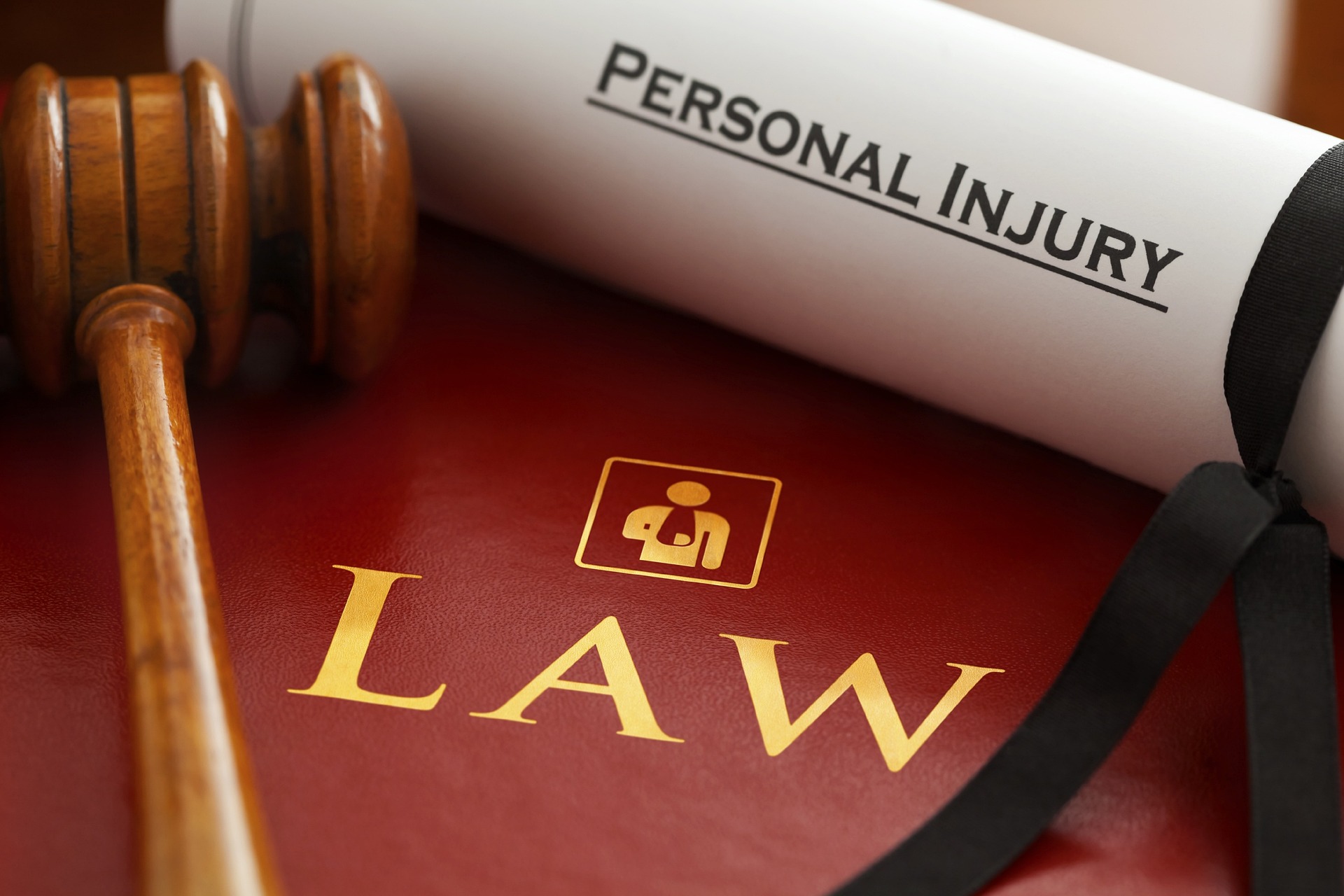
Welcome to our blog post on the key elements to help you win a personal injury case. If you or someone you know that has currently been involved in an accident or suffered harm due to someone else’s negligence, understanding these crucial factors can make all the difference in your pursuit of justice. Personal injury cases are known to be challenging, but success is within reach with the right approach and evidence. So let’s dive into the essential elements that can strengthen your case and increase your chances of a favorable outcome.
Expert Witnesses
 Expert witnesses play a vital role in bolstering your claim. These individuals possess specialized knowledge and expertise in specific fields that are relevant to your case. For example, if you were involved in a car accident, an accident reconstruction expert could examine the scene, analyze skid marks or vehicle damage, and provide valuable insights into the incident. Expert witnesses bring credibility to your case by offering professional opinions based on their experience and technical understanding. Their testimony can help explain complex medical diagnoses, assess the long-term effects of injuries, or evaluate the impact of negligence on your overall well-being. In addition to providing expert opinions during trial proceedings, these professionals can also assist with pre-trial investigations and offer guidance when negotiating settlements.
Causation
Causation is a crucial element in winning a personal injury case. It involves establishing a direct link between the defendant’s actions or negligence and the plaintiff’s injuries. Without causation, proving that the defendant’s behavior directly led to harm becomes challenging. In order to establish causation, your attorney will need to gather evidence that supports your claim. This may include medical records, expert testimony, accident reconstruction reports, and other relevant documentation demonstrating how the defendant’s actions caused your injuries. One key aspect of proving causation is demonstrating that no intervening factors or events could have caused your injuries apart from the defendant’s conduct.

Documentation
Documentation is a crucial element in winning a personal injury case. It serves as evidence to support your claims and prove the extent of your injuries or damages. It can be challenging to build a strong case if you have not enough documentation. The first step in documenting your personal injury case is seeking medical attention immediately after the incident. This will ensure that any injuries are properly diagnosed and treated, creating a paper trail of your medical records. Aside from that medical records are also important; you should also gather any accident reports or police statements related to the incident. These documents provide important details about your injury’s circumstances and can help establish liability.
Negligence
 Negligence is a critical element in winning a personal injury case. It refers to the failure of an individual to provide reasonable care, resulting in harm or injury to another person. In legal terms, negligence involves proving the defendant owed a duty of care especially to the plaintiff who has breached that duty, and caused harm as a result. To establish negligence, it is necessary to show that the defendant’s actions fell below the standard of care expected in similar circumstances. This can be done by presenting evidence such as witness testimonies, expert opinions, and documentation. In personal injury cases, negligence can take various forms.
Conclusion
Winning a personal injury case relies on effectively addressing these key elements: expert witnesses’ testimonies supporting your claim; thorough documentation presenting compelling evidence; establishing causation by connecting the defendant’s actions with your injuries; and demonstrating negligence through breaches in duty resulting in foreseeable harm. Remember that every case is unique, each step while leverages these fundamental components to build a solid argument for compensation. We hope that you have found this blog post helpful.…
Read More
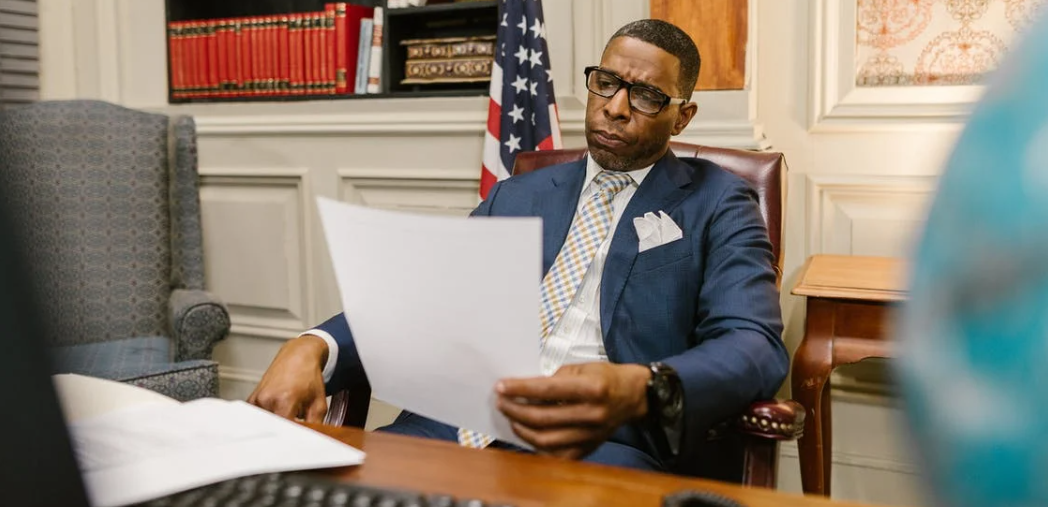

 One of the best ways to find a qualified DUI lawyer is to ask around for recommendations. Talk to your friends, family, and co-workers and see if they know of any lawyers who have experience handling DUI cases. If someone you know has been in a similar situation as you, they may be able to give you some great insights into which lawyer you should hire. You can also search for lawyers online. Many websites allow you to compare the profiles of various attorneys, so you can find one that is a good fit for your case.
 Not all lawyers specialize in DUI cases. Many attorneys may not have any experience handling these types of cases. It is why it is so important to ask about the lawyer’s background before you make an appointment. Make sure that the lawyer you choose has a lot of experience defending DUI cases and knows the ins and outs of the law. All in all, hiring the best DUI lawyer for your case is a significant decision. By following these simple tips, you can be sure to find someone who will help you get the best possible outcome in your situation.…
 so you have to shop around. For many speeding attorneys making entries is relatively simple than more complex litigation and does not take much of their time. Find an attorney who will do this for a flat fee covering both the initial hearing and that of any appeals work. You will spend the money now, but if your attorney is successful, he or she will save you a lot of money on insurance premiums for years to come.…



 You should keep anything that may be relevant to your case. This may include:
 The legal system is usually not intuitive while the law is sometimes complicated. If you miss a deadline or fail to correctly fill out your paperwork, your case may seriously suffer a setback. If you are making an injury claim without the help of an attorney, you will not be able to negotiate with your insurance company effectively.
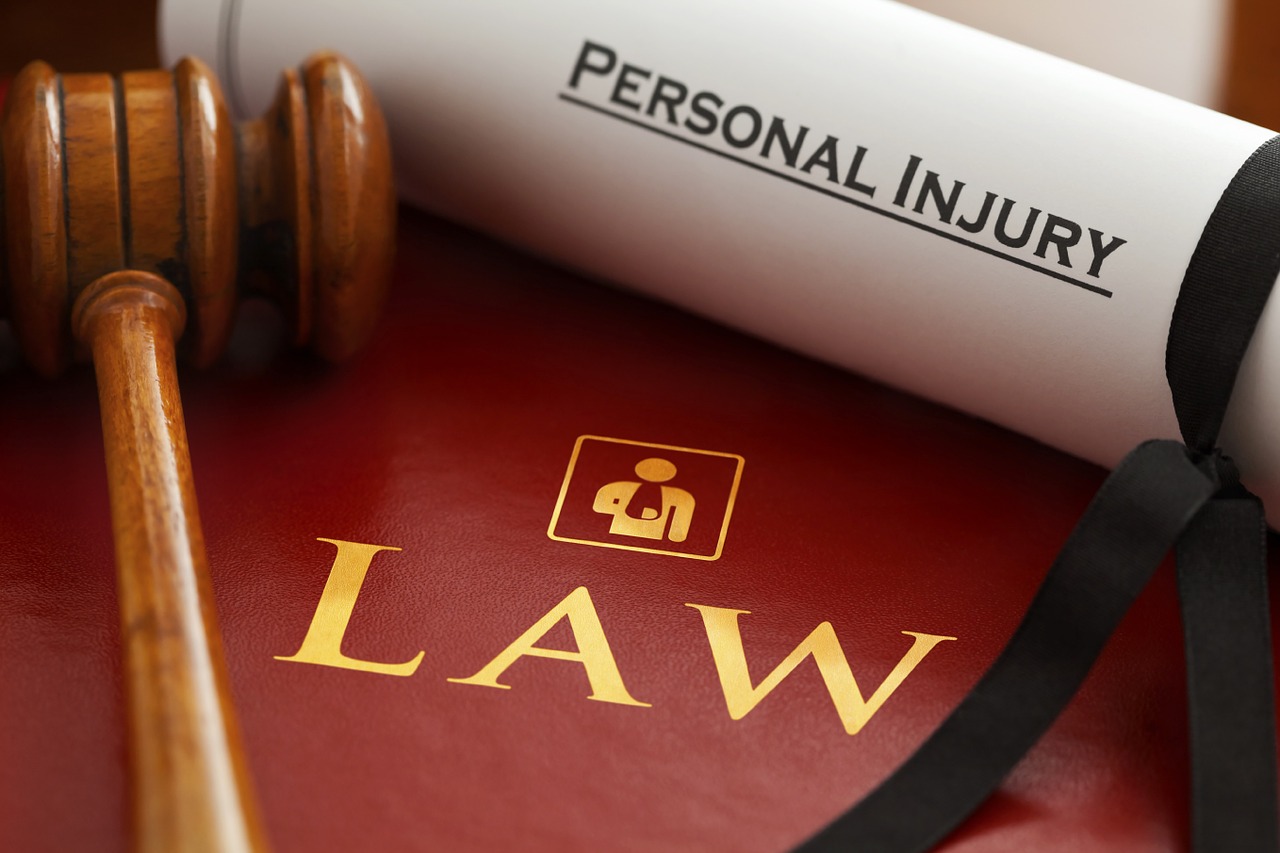 When you have your own injury attorney, he will be working to protect your best of interests and rights. Since big insurance companies have a team of lawyers that are dedicated to looking for ways they can avoid paying claims. To level the playing field for you, it is important that you also get your personal injury attorney.…
 Physical and emotional abuse
 Cheating or infidelity
 Addiction

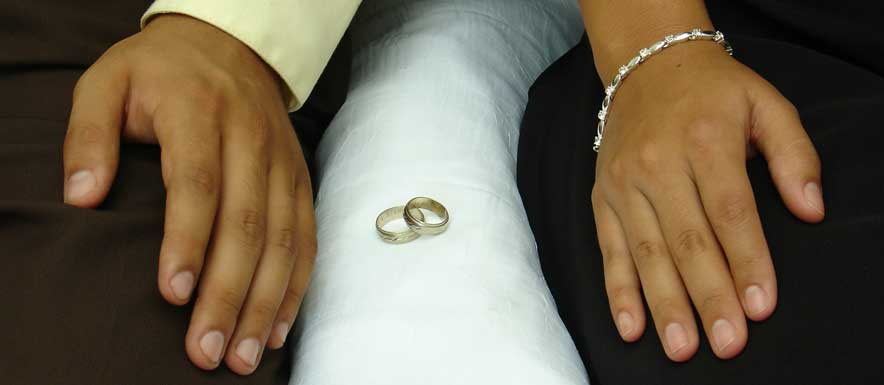
 parent who will stay with the child or children. In such a case a family lawyer will help you in deciding the person who will have the child custody rights.
 own can be hard and draining.